How to Convert Calories to kJ
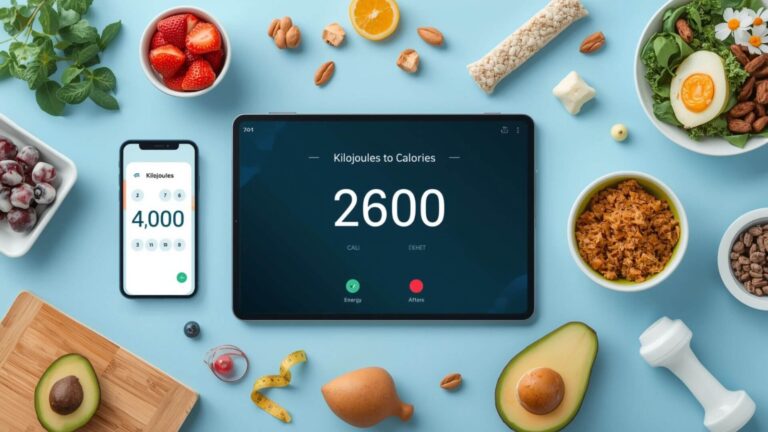
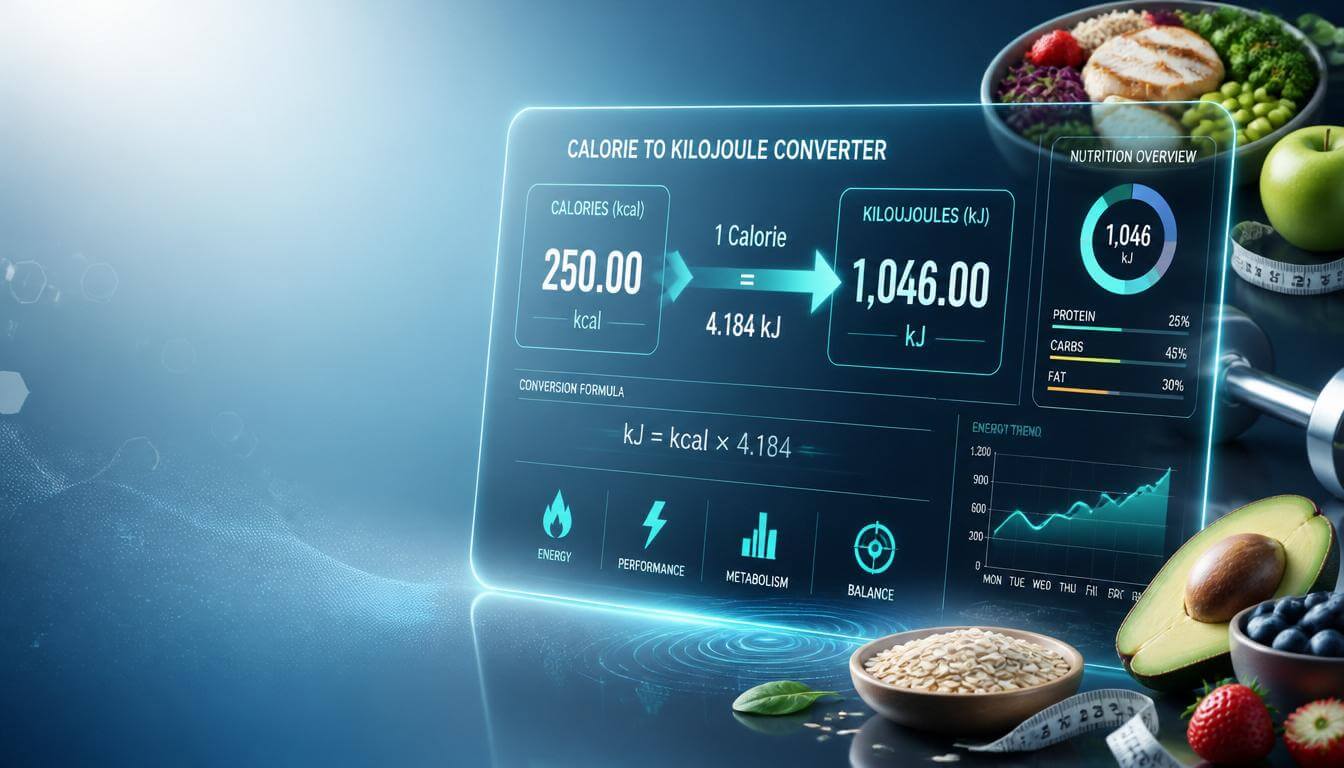
To convert calories to kilojoules (kJ), multiply calories by 4.184. You can also use our free Calories to kJ Calculator for instant conversions.
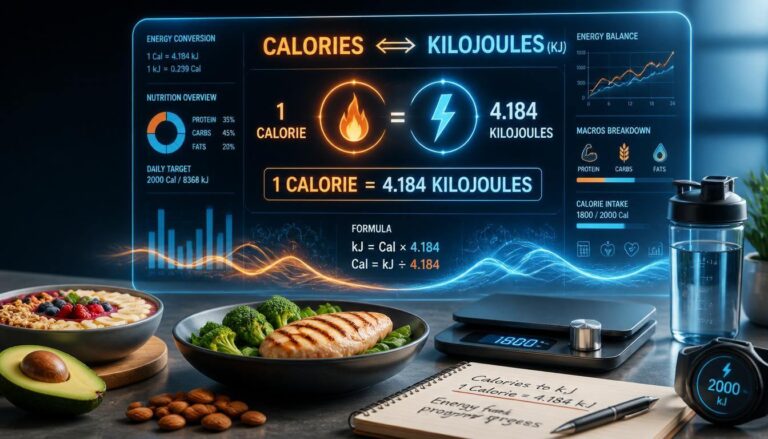
Kilojoules (kJ) = Calories × 4.184
Example
200 calories × 4.184 = 836.8 kJ
So:
200 calories ≈ 837 kJ
This is the standard conversion used on:
- nutrition labels
- food packaging
- calorie calculators
- fitness apps
- diet tracking tools
Different unit, same energy.
Calories vs kJ: What’s the Difference?
Calories and kilojoules both measure energy. If you only need the actual conversion equation, see the complete Calories to KJ Formula guide.
The only real difference is the measurement system:
- Calories are commonly used in the United States
- Kilojoules (kJ) are part of the metric system and used in many other countries
In nutrition:
- 1 Calorie = 1 kcal
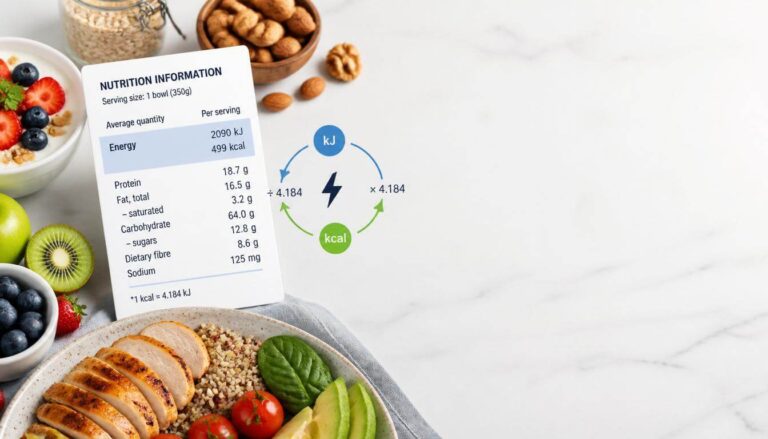
- 1 kcal = 4.184 kJ
They do not represent different types of food energy.
Whether a label shows calories or kJ, it is measuring the same thing:
- energy from food
- energy consumed
- energy used by the body
This confusion exists because food labels often use ‘Calories’, ‘calories’, ‘Kcal’, and ‘kJ’ with almost no explanation for the average person trying to decode a protein bar wrapper before a workout.
Calories, Calories (Capital C), kcal, and kJ Explained
Here are the meanings of terms to avoid unnecessary confusion.
| Term | Meaning |
| calorie (small c) | Small scientific energy unit |
| kcal | 1,000 small calories |
| Calorie (capital C) | Same as kcal on food labels |
| kJ | Kilojoule energy unit |
When a nutrition label says the following:
- 250 Calories
- 250 kcal
It means the exact same amount of food energy.
Most people searching “calories to kJ” are actually converting kcal to kilojoules, because food labels use ‘Calories’ interchangeably with ‘kcal’.
Calories to kJ Formula
For a deeper breakdown of the equation, examples, and how the conversion works, see our guide on Calories to KJ Formula.
Use this formula:
kJ = Calories × 4.184
Quick Conversion Examples
| Calories | kJ |
| 50 | 209 |
| 100 | 418 |
| 150 | 628 |
| 200 | 837 |
| 250 | 1046 |
| 300 | 1255 |
| 400 | 1674 |
| 500 | 2092 |
| 1000 | 4184 |
These are common conversions for:
- meal tracking
- restaurant nutrition menus
- packaged foods
- calorie-counting apps
- macro tracking
Fastest Way to Convert Calories to kJ Mentally
If you just need a quick estimate, multiply calories by 4. Add a little extra:
Example
300 × 4 = 1200
Add roughly 55 ≈ 1255 kJ
This shortcut works well when you are grocery shopping, scanning food labels, comparing snacks, tracking macros or estimating your restaurant meals.
How to Convert kJ to Calories
To convert kilojoules back into calories, divide by 4.184.
Calories = Kilojoules (kJ) ÷ 4.184
Example
1500 kJ ÷ 4.184 ≈ 358 calories
So:
1500 kJ ≈ 358 calories
This is useful for:
- international food labels
- imported products
- Australian nutrition labels
- calorie-tracking apps
- comparing foods across countries
Why Some Countries Use kJ Instead of Calories
Kilojoules are the official metric unit for energy.
Countries that commonly use kJ on food labels include Australia, New Zealand and parts of Europe.
Calories remain more common in:
- the United States
- fitness culture
- bodybuilding communities
- calorie-counting apps
- weight-loss programs
Many international food brands now display both units together to reduce confusion.
Calories to kJ on Nutrition Labels
Food packaging often displays energy like this:
| Per Serving | Amount |
| Energy | 850 kJ |
| Calories | 203 kcal |
These numbers describe the same energy value in different units.
Understanding the conversion helps when:
- tracking daily intake
- comparing products
- following meal plans
- managing calorie deficits
- reading restaurant nutrition information
Common Label Mistake
One common mistake is assuming:
1000 kJ = 1000 calories
It does not.
1000 kJ ≈ 239 Calories
That difference becomes significant very quickly in nutrition tracking.
Calories to kJ for Weight Loss and Fitness
Energy balance determines weight change. Whether you track calories, kcal or kJ, the underlying principle stays the same.
Fat loss still depends on:
- calorie deficit
- total energy intake
- activity level
- consistency over time
Changing the unit does not change the outcome.
Some fitness apps automatically switch between calories and kJ based on:
- phone region
- language settings
- app configuration
- country defaults
That is why users sometimes think their calorie target changed overnight when only the measurement unit changed.
Daily Calorie Intake in kJ
Recommended daily energy intake is often shown differently across countries.
| Calories | kJ |
| 1500 | 6276 |
| 2000 | 8368 |
| 2500 | 10460 |
This helps when comparing:
- diet plans
- imported foods
- nutrition guidelines
- calorie calculators
- international meal plans
Keep in mind that daily energy needs vary based on:
- age
- body size
- activity level
- sex
- fitness goals
Calories to kJ Conversion Chart
| Calories | kJ |
| 10 | 42 |
| 25 | 105 |
| 50 | 209 |
| 75 | 314 |
| 100 | 418 |
| 200 | 837 |
| 300 | 1255 |
| 500 | 2092 |
| 750 | 3138 |
| 1000 | 4184 |
Quick-reference charts are useful because many people simply want a fast conversion without manually calculating every value. If you want automatic results, try the online kJ to cal converter.
Real Food Examples
| Food | Calories | kJ |
| Banana | 105 | 439 |
| Egg | 78 | 326 |
| Slice of pizza | 285 | 1192 |
| Cheeseburger | 303 | 1268 |
| Protein bar | 220 | 920 |
| Soft drink can | 150 | 628 |
| Avocado toast | 250 | 1046 |
Real examples make the conversion easier to understand than abstract numbers alone.
Common Calories to kJ Conversion Mistakes
- Confusing Calories with kcal
On nutrition labels, Calories and kcal mean the same thing.
- Assuming kJ and Calories Are Numerically Equal
They measure the same energy, but the numbers are different.
- Forgetting Rounding Differences
Nutrition labels often round values slightly.
- Using Different Serving Sizes
Conversions only work when the serving size matches.
A 200-calorie serving converts accurately only for that exact serving amount.
- Misreading App Settings
Some nutrition apps switch between calories, kcal and kj without making the change obvious.
Final Thoughts
Converting calories to kJ is straightforward once you understand the relationship between calories, kcal, kilojoules and food energy. The core conversion is simple:
Kilojoules (kJ) = Calories × 4.184
What actually matters is recognising where these units appear in real life:
- nutrition labels
- calorie trackers
- fitness apps
- restaurant menus
- diet plans
- international food packaging
FAQs
About The Author:

Nutrition & Energy Conversion Content Specialist (Australia)
Ethan Mitchell is a health and nutrition content specialist focused on simplifying energy conversions for everyday users in Australia. He creates clear and accurate content to help people understand and convert kilojoules to calories with ease. His work is based on trusted nutritional references and aligned with Australian food labelling standards, making complex energy information simple and practical for all users.